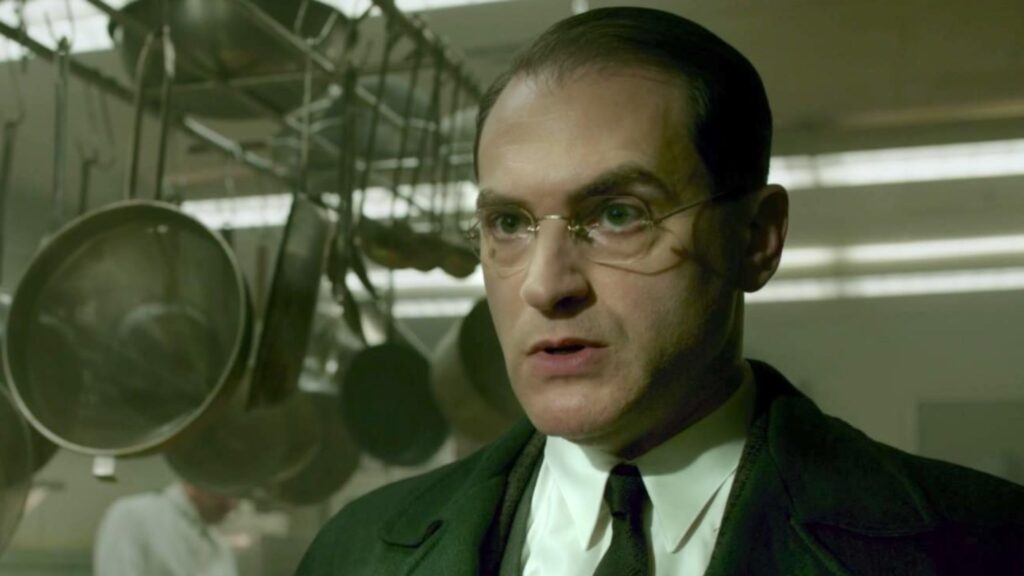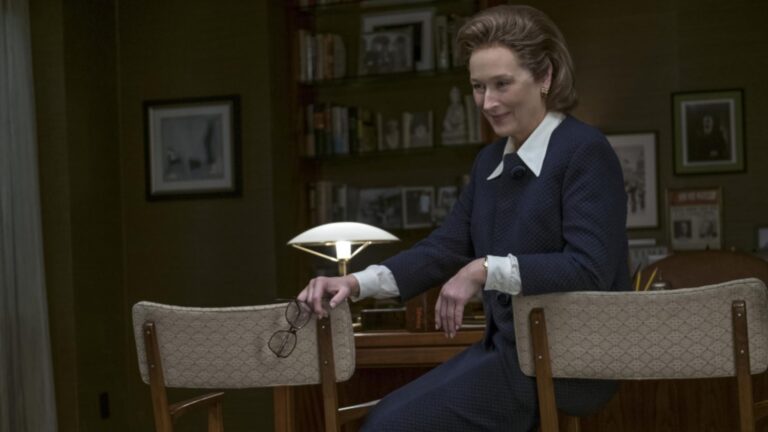
When talking about powerful acting, few names carry the weight and prestige of Meryl Streep. With a journey spanning more than five decades, Meryl Streep’s films represent an extraordinary hype of characters, genres, and emotional depth that many actors in cinema history have matched.
From intimate dramas to international blockbusters, her cinematography is a masterclass in storytelling and transformation.
This article explores the most important Meryl Streep films, highlights her cinematic evolution, and explains why her icon remains unmatched in modern movies.
Table of Contents
Also read: Robert John Burke: 30+ Iconic Roles That Defined a Quiet Force in American Film and Television
Early Career and Breakthrough Roles
Meryl Streep made her movie debut in the late 1970s and quickly built herself as a serious dramatic actress. Her early performances highlight a rare emotional intelligence and technical precision that set her apart almost immediately.
One of her first massive successes came with The Deer Hunter (1978), a powerful Vietnam War drama that introduced fans to her understated yet sharply affecting screen presence.
This was followed by Kramer vs. Kramer (1979), a movie that not only became a commercial success but also earned Streep her first Academy Award. Her play of a conflicted mother navigating divorce was both original and sharply human.
These early Meryl Streep films laid the foundation for a journey defined by emotional honesty and bold role choices.
Defining the Golden Era of Meryl Streep Movies
The 1980s marked a golden era for Meryl Streep films, during which she delivered some of the most acclaimed work in film history. Sophie’s Choice (1982) remains one of her most legendary roles.
Meryl Streep’s portrayal of a Holocaust survivor haunted by unimaginable loss built her widespread critical acclaim and an Academy Award for Best Actress.
Althrough the decade, she demonstrated remarkable versatility in movies like Silkwood (1983), Out of Africa (1985), and A Cry in the Dark (1988). Each performance was distinct, emotionally layered, and meticulously designed. Streep’s talent to master accents, cultural nuances, and psychological complexity became one of her defining trademarks.
This period firmly built Meryl Streep’s films as a prestige cinema fashion.

Reinvention and Commercial Success
Unlike many actors whose journey slows with age, Meryl Streep reinvented herself in the 1990s and 2000s, managing creative projects with mainstream appeal. Movies such as The Bridges of Madison County (1995) highlight her romantic depth, while Adaptation (2002) highlights her willingness to embrace unconventional narrative.
One of the most influential Meryl Streep films of the 21st century is The Devil Wears Prada (2006). Her portrayal of Miranda Priestly became a pop-culture phenomenon, proving she could dominate commercial cinema while balancing creative credibility.
The character introduced her to a new generation of fans and remains one of her most quoted performances.
This era confirmed that Meryl Streep films could be both critically respected and wildly entertaining.
Musical and Biographical Triumphs
Streep continued to build her range by embracing musicals and biographical roles. In Mamma Mia! (2008), she surprised fans with her singing talent and infectious charm, turning the movie into an international hit. She later came back to musical territory with Into the Woods (2014), demonstrating her continued willingness to experiment.
Biographical movies have also played a key role in Meryl Streep’s career. Julie & Julia (2009) offered a warm, joyful portrayal of culinary legend Julia Child, while The Iron Lady (2011) saw her transform into British Prime Minister Margaret Thatcher—a performance that gained her a third Academy Award.
These movies reinforced her reputation as an actress able to embody real-life figures with significant originality.
Recent Films and Continued Excellence
In recent years, Meryl Streep’s films have continued to reflect her relevance and adaptability. Movies like August: Osage County (2013) and The Post (2017) demonstrated her command of ensemble casts and socially relevant narrative.
Her role in Don’t Look Up (2021) added deep political satire to her résumé, proving Meryl Streep remains in tune with contemporary movies.
Streep has also embraced streaming digital platforms and TV projects, ensuring her influence extends beyond traditional movie fans. Even now, her name attached to a project signals quality and creative ambition.
Why Meryl Streep Movies Matter
What sets Meryl Streep’s films apart is not just the number of accolades but the consistency of excellence. She approaches every character—big or small—with the same commitment, intelligence, and emotional depth. Her work elevates the material and often defines the movies themselves.
Filmmaker, co-stars, and critics alike credit her with building the standard of acting in modern cinema. For fans, Meryl Streep movies offer more than entertainment; they provide insight into human complexity, resilience, and vulnerability.
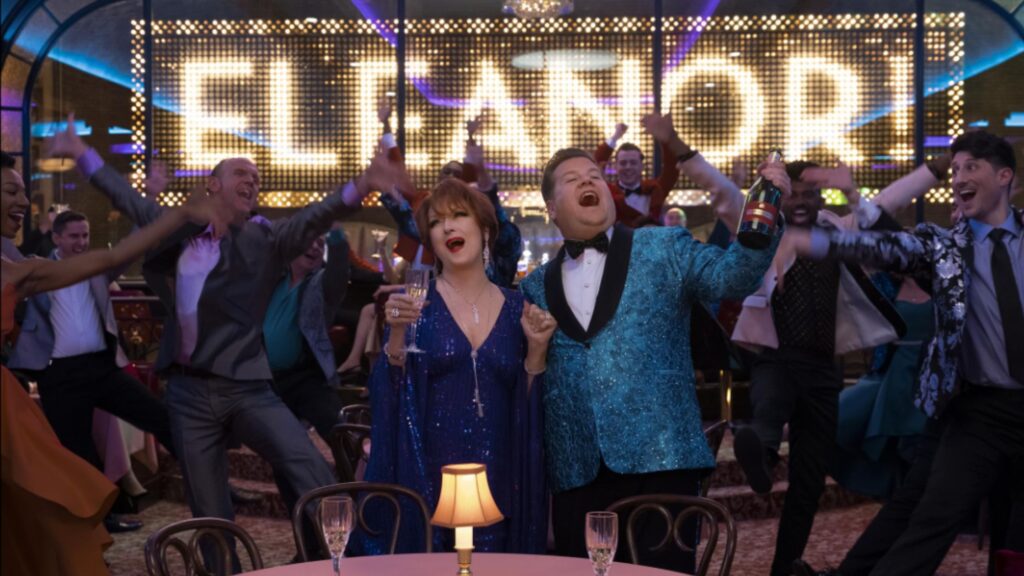
Legacy of a Cinematic Icon
Few actors have set in movie history the way Meryl Streep has. With dozens of acclaimed performances, record-breaking awards, and a known and enduring cultural impact, her cinematography represents one of the most significant careers Hollywood has ever seen.
Whether you are exploring her classics or discovering her performances for the first time, Meryl Streep movies remain essential viewing—timeless, strong, and endlessly inspiring.
FAQs
1. What are the most popular Meryl Streep movies of all time?
Some of the most famous and critically acclaimed Meryl Streep films include Sophie’s Choice, The Devil Wears Prada, Kramer vs. Kramer, Out of Africa, Mamma Mia!, Julie & Julia, and The Iron Lady. These movies highlight her versatility across drama, comedy, musicals, and biographical roles.
2. How many movies has Meryl Streep appeared in?
Meryl Streep has starred in over 70 films throughout her career, spanning more than five decades. Her cinematography includes massive Hollywood productions, independent movies, musicals, and award-winning biographical dramas.
3. Which Meryl Streep movie won her an Academy Award?
Meryl Streep won Academy Awards for Kramer vs. Kramer (1979), Sophie’s Choice (1982), and The Iron Lady (2011). Each performance highlights a different aspect of her acting range, from emotional realism to stronghistorical portrayal.
4. What is Meryl Streep’s most iconic role?
While opinions vary, her role as Miranda Priestly in The Devil Wears Prada is often considered her most legendary. The character became a pop-culture phenomenon and introduced Meryl Streep films to a new generation of fans internationally.
5. Are there any upcoming Meryl Streep movies?
Meryl Streep remains active in movies and television, with multiple movie projects reported to be in development. Although official release dates are often announced later, her continued involvement in high-profile productions keeps anticipation powerful among audiences of Meryl Streep films.
Also read: Meryl Streep Movies