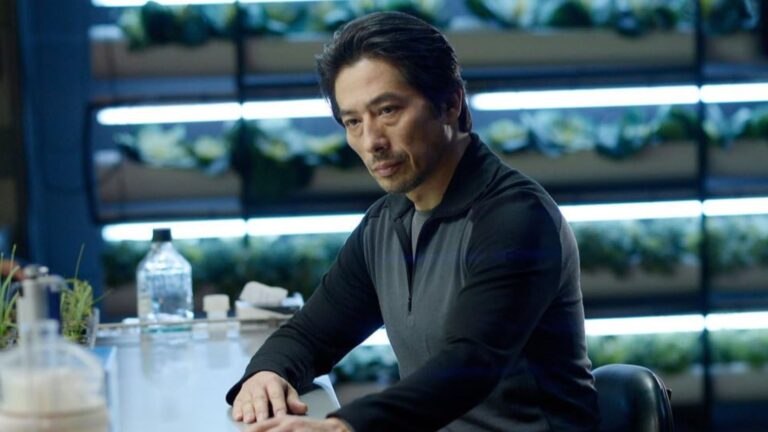
Hiroyuki Sanada is one of the most accomplished and globally respected actors to emerge from Japan. With a career that started in childhood and evolved into international superstardom, Sanada has spent almost six decades mastering the art of performance across movies, television, and theatre.
From classic Japanese cinema and Hollywood blockbusters to prestige television that reshaped international storytelling, his career highlights discipline, adaptability, and artistic integrity at the highest level.
Table of Contents
Also read: Kenneth Branagh (65): A Master Craftsman of Acting, Direction, and Storytelling
Early Life and Foundations in Discipline
Born on October 12, 1960, in Shinagawa, Tokyo, Hiroyuki Sanada (born Hiroyuki Shimozawa) joined the film world at a remarkably early age.
He made his acting debut at just five years old, a start that would define the rest of his life. More than a child actor, Sanada was rigorously trained in traditional martial arts and performance discipline, enrolling in the Japan Action Club under iconic action star Sonny Chiba.
This training not only set his physicality but also instilled a sharp respect for design, precision, and narrative.
By his teenage years, Sanada had already established a powerful reputation in Japanese movies and television, standing out for his intensity and emotional restraint. Unlike many action-trained actors, he consistently manages physical prowess with nuanced dramatic expression—a talent that would later set him apart on the global stage.
Rise in Japanese Cinema and Critical Recognition
Throughout the 1980s and 1990s, Sanada became a familiar and respected screen presence in Japanese cinema. He appared in period dramas, contemporary thrillers, and arthouse projects, steadily developing a résumé defined by versatility rather than typecasting.
His performances often explored themes of honor, sacrifice, and internal conflict—qualities sharply rooted in Japanese narrative traditions.
A major turning point came with his role in The Twilight Samurai (2002), a critically acclaimed movie that highlights his capacity for quiet emotional power. The acting earned widespread praise and several awards in Japan, solidifying his status as a serious dramatic actor rather than merely an action star.
Crossing into Hollywood Without Losing Identity
Sanada’s global breakthrough came with The Last Samurai (2003), in which he shared the screen with Tom Cruise. Rather than being overshadowed, Sanada’s dignified and commanding presence resonated strongly with international fans.
The role opened doors to Hollywood while allowing him to retain cultural originality—a balance few performers achieve successfully.
Over the next two decades, he starred in major global productions such as Sunshine, Rush Hour 3, Speed Racer, The Wolverine, Avengers: Endgame, Mortal Kombat, Bullet Train, and John Wick: Chapter 4.
In each, Sanada brought a sense of gravitas that elevated even brief appearances. Hollywood generally cast him as warriors, mentors, and leaders—figures of authority set by experience and restraint rather than bravado.
Importantly, Sanada was selective. He often declined roles that leaned into stereotypes, selecting instead movie projects that respected Japanese culture and character depth. This selectivity helped him establised long-term credibility rather than short-lived stardom.
Television Success and a Career-Defining Role
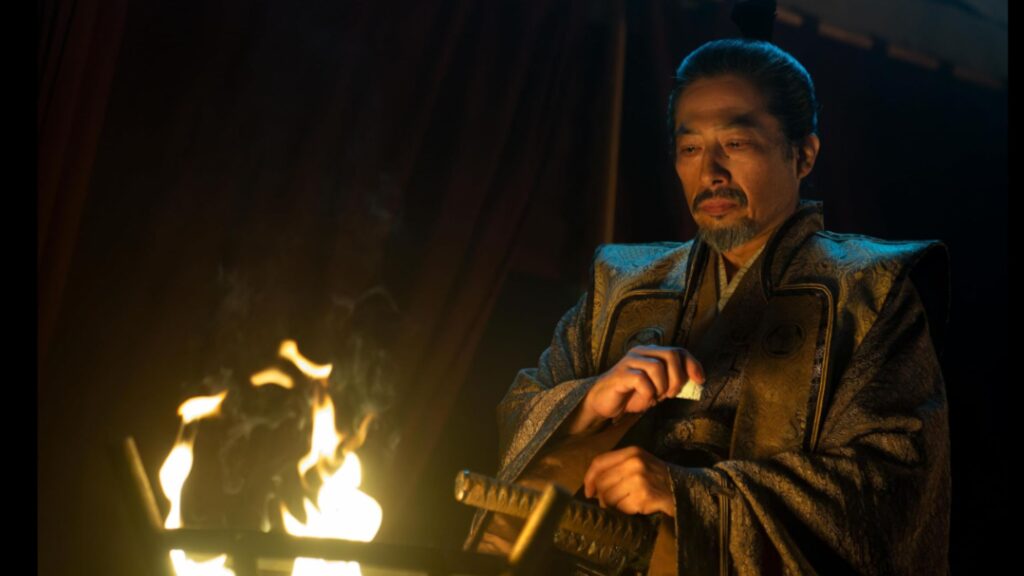
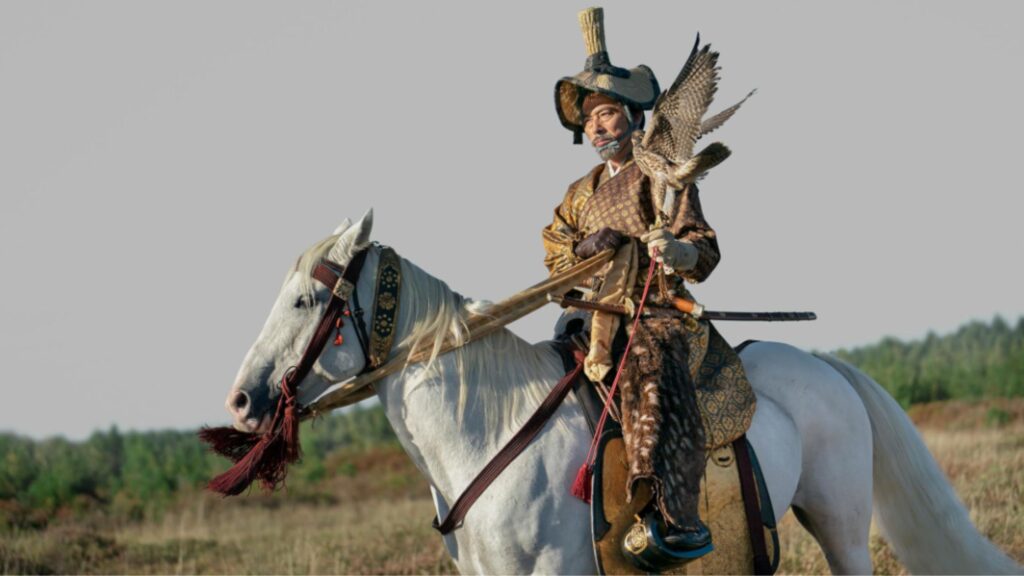
Although Sanada had starred in Western television before, including Lost and Westworld, his career reached unprecedented heights with FX’s historical epic Shōgun. Cast as Lord Yoshii Toranaga, Sanada also multiplies as a producer, ensuring cultural and historical originality throughout the series.
The impact was historic. Hiroyuki Sanada’s performance gained him the Primetime Emmy Award for Outstanding Lead Actor in a Drama Series, making him the first Japanese actor to win in that category.
The franchise itself became an international phenomenon, praised for its narrative, performances, and respectful portrayal of Japanese history. For Sanada, Shōgun was not just a success—it was a culmination of nearly 60 years of dedication to his design.
Awards, Honors, and Global Respect
Beyond the Emmy win, Sanada’s journey is decorated with prestigious honors. He has received Japan’s Medal of Honor with Purple Ribbon for contributions to the arts and was named an Honorary Member of the Order of the British Empire (MBE).
He has also won Golden Globe known and global critics’ awards, highlighting admiration from both Eastern and Western industries.
His influence reached another milestone when Hiroyuki Sanada was named among TIME magazine’s 100 Most Influential People—an acknowledgment of his cultural impact beyond acting alone.
Personal Life and Artistic Philosophy
Despite international fame, Sanada is balancing a private personal life. Hiroyuki Sanada was previously married to actress Satomi Tezuka and has two sons. Known for his reserved public screen presence, he rarely engages in social media, preferring to let his performances speak for themselves.
Sanada has often spoken about responsibility in narrative, popular for representing Japanese culture abroad. His philosophy centers on respect, preparation, and truth, values that have guided Hiroyuki Sanada across languages, continents, and genres.
Legacy and Continuing Influence
Hiroyuki Sanada’s legacy is defined not by a single character but by consistency, integrity, and evolution. He has bridged Eastern and Western cinema without compromise, proving that originality resonates internationally.
His breakthrough has paved the way for more nuanced representations of Asian actors in international media, challenging long-standing film industry limitations.
As he continues to take on fresh projects and expand his role behind the camera, Sanada stands as a rare figure: an artist who has mastered action, drama, and leadership both on and off screen.
Nearly six decades into his journey, Hiroyuki Sanada is not slowing down—he is redefining what longevity and excellence truly mean in international entertainment.
FAQs
1. Who is Hiroyuki Sanada?
Hiroyuki Sanada is a renowned Japanese actor and producer with a career spanning nearly 60 years. He is globally known for his performances in Japanese cinema, Hollywood movies, and award-winning television series, most significantly Shōgun, which earned him historic Emmy recognition.
2. How old is Hiroyuki Sanada in 2026?
Hiroyuki Sanada was born on October 12, 1960, making him 65 years old in 2026. Despite his long journey, he remains a major player in major movie and TV projects.
3. What is Hiroyuki Sanada best known for internationally?
Global fans recognize Sanada for movies such as The Last Samurai, The Wolverine, John Wick: Chapter 4, Mortal Kombat, and Avengers: Endgame, as well as his Emmy-winning lead role in the TV series Shōgun.
4. Did Hiroyuki Sanada win an Emmy Award?
Yes. In 2024, Hiroyuki Sanada earned the Primetime Emmy Award for Outstanding Lead Actor in a Drama Series for Shōgun, becoming the first Japanese actor to achieve this milestone. He also won as a producer on the same franchise.
5. Is Hiroyuki Sanada trained in martial arts?
Yes. Sanada trained extensively in martial arts from a young age as a member of the Japan Action Club under iconic action star Sonny Chiba. This training was powerful; it influenced his physical performance style and many of his action-oriented roles.
Also read: Hiroyuki Sanada