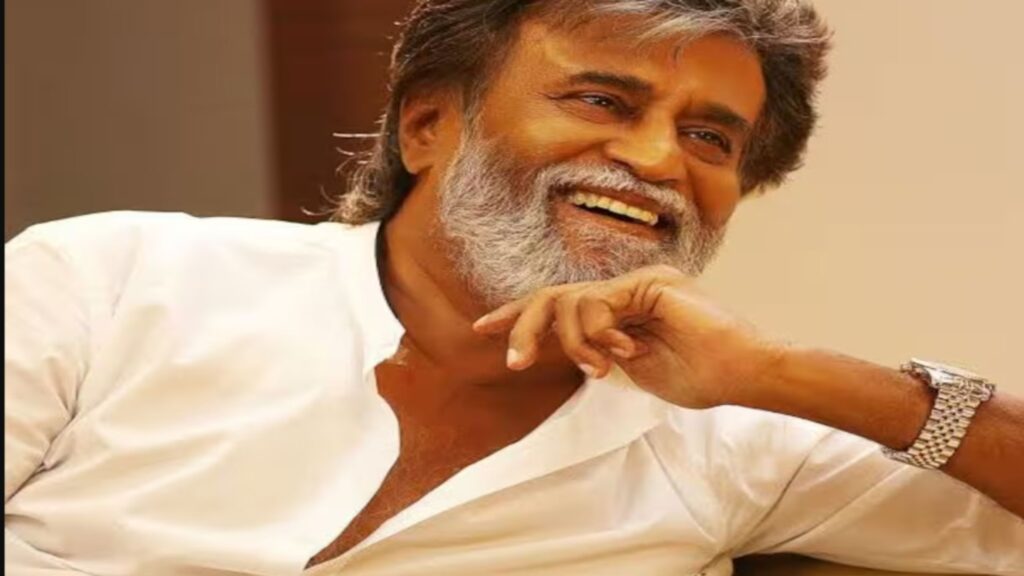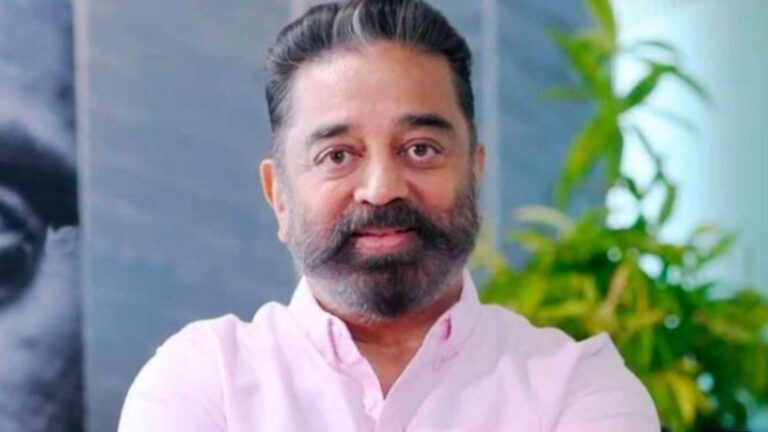
When a legend steps away, an era truly comes to an end. Kamal Haasan’s decision to retire from the film industry stands as a historic moment not just for South Indian cinema but for the entire Indian film industry.
For over than six decades, Kamal Haasan redefined defination of an actor, filmmaker, and cultural icon. His biography is more than the journey of a star—it is a reflection of the evolution of cinema itself.
Table of Contents
Also read: Crime 101 (2026): A Smart, Gritty Heist Thriller Set to the Redefine Genre
Early Life and Background
Kamal Haasan was born on November 7, 1954, in Paramakudi, Tamil Nadu. From a very young age, his talent was clearly visible. He entered his journey in the movie as a child artist at the age of six, winning the President’s Gold Medal for his performance in Kalathur Kannamma.
Unlike many actors who rise overnight, Kamal Haasan grew up with cinema, understanding its language step by step.
He studied at Hindu Higher Secondary School in Chennai. Kamal manages his studies with his growing passion for films. He trained in classical dance forms including Bharatanatyam, which later shaped his expressive performance style and physical control on screen.
Rise to Stardom in South Indian Cinema
Kamal Haasan’s journey from child actor to leading star was gradual but powerful. During the 1970s and 1980s, he emerged as one of the most versatile artists in Tamil cinema, while also working extensively in Telugu, Malayalam, Kannada, and Hindi movies.
Films such as Apoorva Raagangal, Moondram Pirai, Nayakan, Sagara Sangamam, and Indian highlight his unmatched ability to transform completely into his characters. His performance in Nayakan is still considered one of the finest in Indian cinema, often compared with international classics.
What truly set Kamal apart was his fearlessness. He chose complex, unconventional roles at a time when safe commercial was the norm. He played anti-heroes, flawed individuals, revolutionaries, comedians, and tragic figures with the same level of brilliance.
A Master of Many Crafts
Kamal Haasan was never just an artist. Over time, he became a director, producer, screenwriter, lyricist, playback singer, choreographer, and technician. His passion for filmmaking pushed technical boundaries in Indian cinema.
Movies like Hey Ram, Virumaandi, Dasavathaaram, and Vishwaroopam proved his vision to mix international filmmaking standards with Indian narration. His attention to detail—whether in makeup, prosthetics, or narrative structure—raised the bar for future generations.
He was also one of the first Indian artists to boldly experiment with makeup and multiple characters, playing ten roles in Dasavathaaram, a feat that remains legendary.
Awards, Honors, and Global Recognition
Throughout his celebrated career, Kamal Haasan received numerous accolades, including several National Film Awards and Filmfare Awards across different languages.
The Government of India honored him with Padma Shri, Padma Bhushan, and Padma Vibhushan—making him one of the rare actors to earn all three.
global film festivals recognized his work for its artistic and innovation, and critics worldwide praised his contribution to both parallel and mainstream cinema.
Beyond Cinema: Politics and Public Life
In the later years of his career, Kamal Haasan extended his impact beyond movies. He entered his political journey with the formation of Makkal Needhi Maiam, presenting himself as a voice for honesty, rationalism, and social reform.
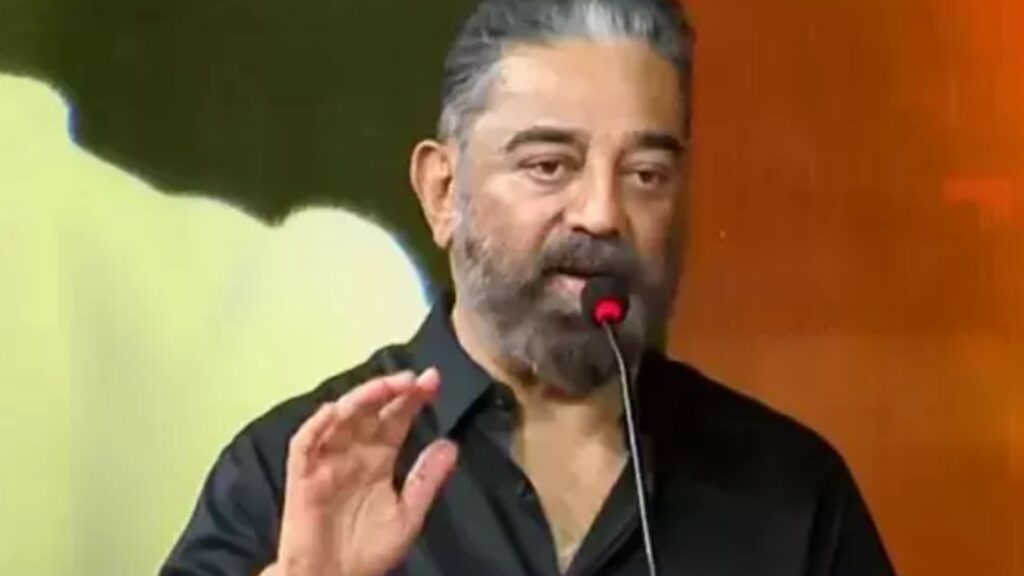
His public addresses reflected the same intellectual depth seen in his cinema. Whether people agreed with his views or not, his courage in openly expressing his mind won respect from across society.
Retirement: A Graceful Goodbye to the Silver Screen
Kamal Haasan’s retirement from the film industry represents the end of a golden chapter. Unlike sudden farewells, his exit feels whole—he delivers movies with his entire beings he had.
From arthouse experimental films to mass entertainers, from black-and-white classics to modern digital cinema, he observed and shaped every stage of Indian cinema.
His retirement is not an absence but a lasting presence—his movies will continue to educate, entertain, and inspire actors, directors, and fans for generations.
Legacy of an Immortal Icon
Kamal Haasan’s legacy goes far beyond box-office numbers alone. He transforms the way actors prepare, how narratives are told, and how film can reflect society.
He proved that intelligence andbox-office appeal can coexist, that art and entertainment need not stand in opposition.
As audiences return his timeless performances, one reality remains clear: Kamal Haasan was not just an actor in films—he lived cinema.
Final Thoughts
The retirement of Kamal Haasan is the close of an era, but true legends live forever. His impect to Indian cinema stands eternal, reflected in every powerful performance, every daring script, and every limit he broke.
South Indian cinema pays tribute to a master who dedicated his life to the art of cinema.
FAQs
1: Why is Kamal Haasan considered one of the greatest actors in Indian cinema?
Kamal Haasan is celebrated as one of the greatest actors because of his extraordinary versatility, longevity, and commitment to realism.
He has successfully portrayed a wide range of roles across genres—drama, comedy, action, and experimental movies—while constantly pushing artistic and technical limits.His capacity for continual reinvention over six decades places him apart from his contemporaries.
2: How many languages has Kamal Haasan worked in during his career?
Kamal Haasan has acted in six main languages—Tamil, Telugu, Malayalam, Kannada, Hindi, and Bengali. His pan-Indian presence helped bridge regional movies and brought South Indian movies to a national and international audience.
3: What are Kamal Haasan’s most iconic films?
Some of Kamal Haasan’s most legendary movies include Nayakan, Moondram Pirai, Indian, Sagara Sangamam, Hey Ram, Virumaandi, and Dasavathaaram. These movies are celebrated for their impactful performances, bold themes, and lasting cultural impact.
4: What major awards has Kamal Haasan received?
Kamal Haasan has earned multiple National Film Awards, several Filmfare Awards, and India’s most civilian honors in the arts—Padma Shri, Padma Bhushan, and Padma Vibhushan. This recognition celebrated not only his artistic excellence and his contribution to Indian culture.
5: Has Kamal Haasan completely retired from public life after films?
Although Kamal Haasan has stepped away from active filmmaking, he has not retired from public life. He continues to play an active role in politics, social discourse, and cultural discussions, continuing to influence society beyond cinema through his ideas, leadership, and legacy.
Also read: Kamal Haasan